You may be asking why did the dinosaurs go extinct, and the short answer is a double blow: an asteroid impact plus huge volcanic eruptions in India that together changed the climate. Here is how researchers reached that view.
This guide is part of the site’s wider coverage of extinct animals, and it focuses on the end of the dinosaurs.
| Item | Value |
|---|---|
| When the impact happened | 66 million years ago |
| Deccan Traps lava output after the impact | Doubled within 50,000 years of the impact |
| Delay to the recovery of life | 500,000 years after the KT boundary |
| Length of the impact-versus-volcano debate | 35 years, as of the October 1, 2015 report |
| Year impact evidence was discovered | 1980 |
| Name of the impact crater | Chicxulub, off Mexico’s Yucatan peninsula |
These figures come from a UC Berkeley research report dated October 1, 2015. Figures can change as new dating work appears, so check the source before you rely on them.
The short answer: an impact and volcanoes together
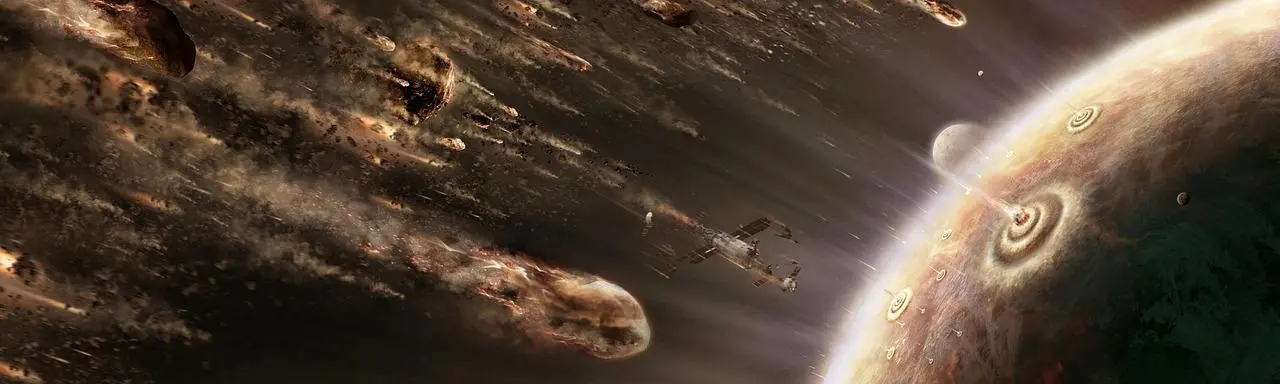
According to the Berkeley report, an asteroid impact on Earth 66 million years ago sped up volcanic eruptions in India for hundreds of thousands of years. The report says these planet-wide catastrophes together caused the extinction of many land and marine animals, including the dinosaurs.
The researchers describe the combined effect of the two events in three parts:
- The planet was blanketed with dust and noxious fumes.
- The climate changed drastically.
- Many species were sent to an early grave.
Lead researcher Paul Renne argued that both events fell within 50,000 years of the extinction. In his view, that makes it somewhat artificial to separate them as killing mechanisms, as the report explains.
What did the asteroid impact leave behind?
In 1980, UC Berkeley geologist Walter Alvarez and his father, physicist Luis Alvarez, found evidence of a comet or asteroid impact dating to 66 million years ago. The report notes that scientists have argued ever since about whether that impact caused the mass extinction at the end of the Cretaceous period.
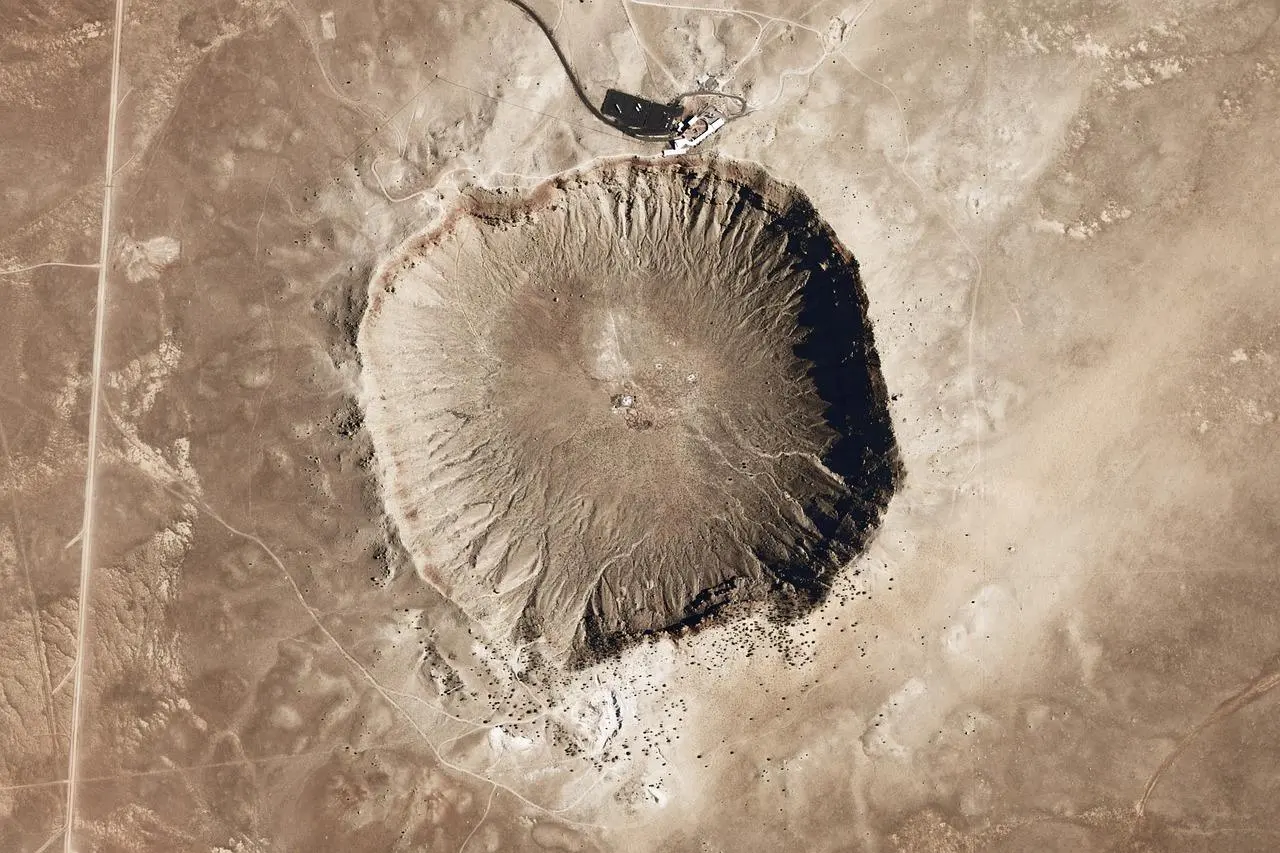
The impact left a large crater called Chicxulub, found off Mexico’s Yucatan peninsula. The same source says the impact is thought to have started the last mass extinction on Earth.
The impact alone, though, was never the whole story for some geologists. They pointed to a second global event that happened at about the same time.
How the Deccan Traps volcanoes fit in
The Deccan Traps are layered lava flows that occupy a large part of India, with the sampled area lying east of Mumbai. The Berkeley team collected lava samples from flows near the beginning of the eruptions and near the end.
The earliest flows sampled were several hundred thousand years older than the extinction. The latest were some half a million years younger.
To date them, the team used high-precision argon-40/argon-39 isotope dating. That let them work out the order of the flows and how fast the lava poured out, according to the report.
The new dates showed that the lava flows, which had been erupting at a slower pace, doubled in output within 50,000 years of the impact. That is the key result linking the two catastrophes.
Why did scientists argue for so long?
The report says paleontologists and geologists had debated the question for 35 years. Researchers fell into roughly three camps:
- One side said the eruptions were irrelevant and the impact was the cause.
- Another side said the impact was only a blip in a long-term die-off.
- A newer proposal said the impact ignited volcanoes around the globe, most catastrophically in India, and that the two events combined.
Mark Richards, who first proposed that the impact reignited the Deccan Traps lava flows, is described as agnostic about which event was the real death knell. He argues that if more precise dates keep pulling the impact, the extinction and the big volcanic pulse closer together, people will have to accept a connection.
How the volcanoes slowed the recovery of life
Before the impact, the volcanism was probably continuous and relatively slow, according to the Berkeley report. After the impact, the eruption rate more than doubled. The eruptions also became more punctuated, with big lava flows separated by long quiet periods.
The team links this to a change in the underground plumbing. Smaller magma chambers became larger, so they took longer to fill but spewed more lava when they did erupt.
That matters for what came next. The report says long-term eruptions likely delayed the recovery of life for 500,000 years after the KT boundary, the end of the Cretaceous and the start of the Tertiary period. Renne said the ocean’s biodiversity and chemical signature took about half a million years to recover, roughly as long as the accelerated volcanism lasted.
Where this story fits among other extinctions
The end of the dinosaurs was a mass extinction that took in many species at once. For a contrast on a much smaller scale, the story of passenger pigeon extinction follows a single species.
Readers who want to see losses on a far shorter timescale can browse the page on recently extinct animals.
One caution applies. This guide leans on a single 2015 research report, so later studies may have refined the picture, and the source is the place to check.
Frequently asked questions
Was it the asteroid or the volcanoes that killed the dinosaurs?
Show answer
The Berkeley team does not treat it as a clean either-or. In their account the impact and the eruptions overlapped so closely that blaming only one misses how the climate was battered. See the report for their reasoning.
When did the dinosaurs go extinct?
Show answer
The report places the impact and the extinction at about 66 million years ago, at the boundary between the Cretaceous and the Tertiary. Its authors call that boundary the KT boundary, per the UC Berkeley source.
Where is the impact crater?
Show answer
The crater is named Chicxulub and lies near Mexico’s Yucatan peninsula. The Berkeley report describes it as the mark left by the impact that some scientists blame for the extinction.
How did researchers date the volcanic eruptions?
Show answer
They measured isotopes in lava samples using argon-40/argon-39 dating. This gave a timeline of the eruptions before and after the impact, as the source describes.