Wondering what is rewilding, and whether it really works? It means letting nature recover by restoring ecosystems and their natural processes, sometimes with returned species. Done well it helps; done badly it can harm.
This guide is part of our wider coverage of wildlife conservation, where rewilding sits alongside other ways of protecting species.
| Item | Value |
|---|---|
| IUCN rewilding principles | Ten principles, developed with over 150 rewilding experts |
| Chacabuco Valley land purchase (Rewilding Patagonia) | 2004 |
| Oostvaardersplassen project start | 1983 |
| Winter deaths among Oostvaardersplassen animals | Up to 30% |
| Oostvaardersplassen management plan revised | 2018 |
| Time since rewilding was first proposed as a strategy | More than 30 years |
The figures come from the IUCN issues brief on the benefits and risks of rewilding (dated June 2021) and a peer-reviewed perspective in Ambio. Figures can change, so check the sources before you rely on them.
What rewilding means in practice
The IUCN brief says rewilding aims to restore ecosystems and reverse biodiversity declines by allowing wildlife and natural processes to reclaim areas no longer under human management. It rebuilds ecosystems modified by human disturbance, using the plant and animal life that would have been present had the disturbance never occurred.
In practice the word is an umbrella term. The Ambio perspective says it covers a wide range of activities, including:
- accepting natural vegetation succession on abandoned agricultural land;
- withdrawing human activities so natural processes can re-establish, often called passive rewilding;
- translocating species, including functional analogues of extinct ones, to restore trophic networks.
That breadth explains much of the confusion. The same paper notes that more than 30 years after it was first proposed as a conservation strategy, rewilding remains a controversial concept.
Stand-in species are not the same as revived ones. Our explainer on is de-extinction possible looks at that separate question.
How rewilding can help ecosystems and people
According to the IUCN brief, rewilded ecosystems can help in several ways:
- mitigating climate change by increasing carbon removal from the atmosphere;
- reducing soil erosion and flood risk;
- creating socio-economic opportunities for local communities;
- improving human health and wellbeing through better access to nature.
One example the brief gives is the Chacabuco Valley in northern Chile. After a land purchase in 2004, Rewilding Patagonia removed livestock and farming infrastructure from the land.
Native vegetation and wildlife have since recreated Patagonian steppe and temperate beech forest systems that function without human intervention, the brief reports.
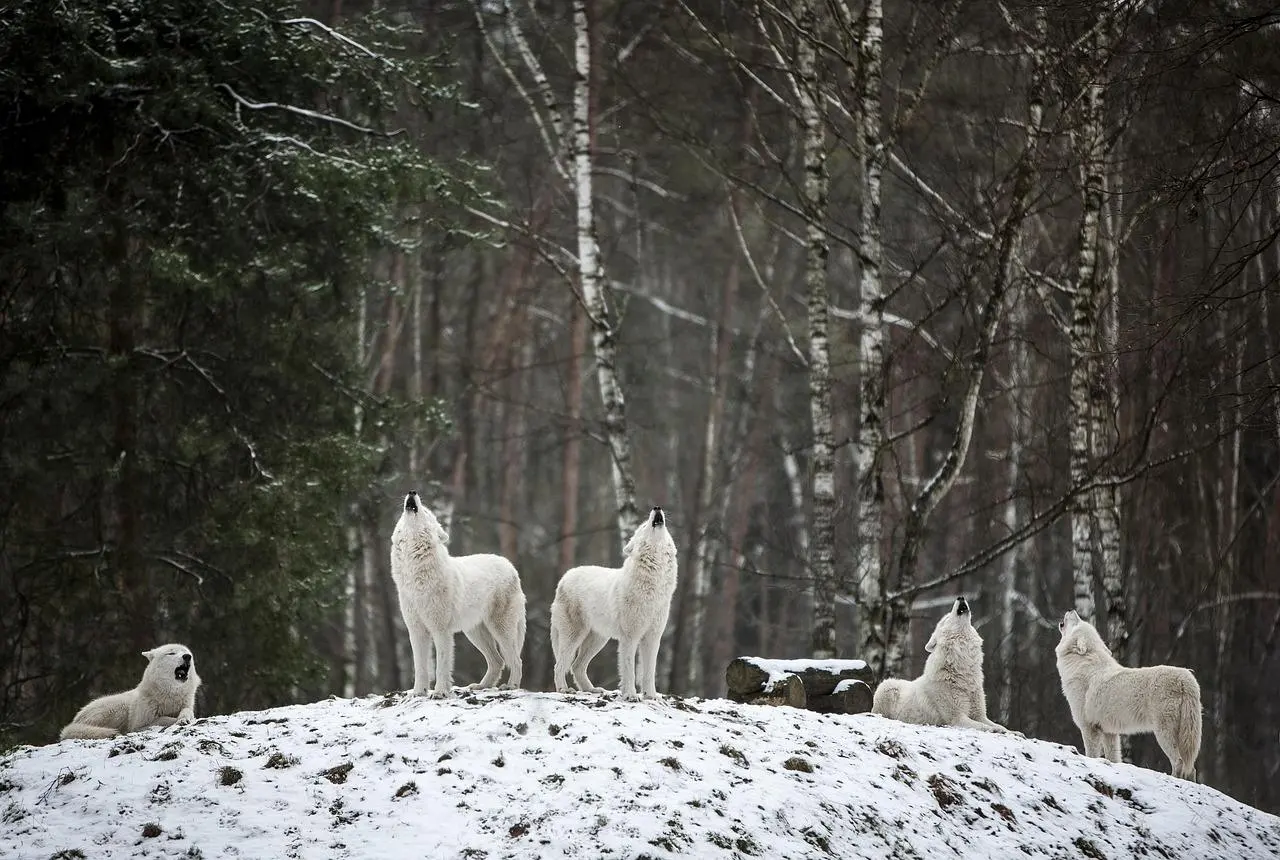
What can go wrong: the Oostvaardersplassen lesson
The IUCN brief points to a 2019 study of the Oostvaardersplassen project in the Netherlands. It began in 1983 with the introduction of Heck cattle, Konik horses and red deer to reclaimed land.
Numbers were not managed and the animals could not move to new habitats, so food availability largely set the population size. Native vegetation was overgrazed, and up to 30% of the animals died over winters when food ran short, according to IUCN. The management plan was revised in 2018 with reduced herbivore numbers.
People can be a risk factor too. IUCN says that in several cases a lack of consultation led to local anti-rewilding campaigns that caused projects to be abandoned, as set out in its issues brief.
Why do people still disagree about rewilding?
The Ambio authors argue that consensus requires agreeing what “wild” means, and many definitions exist. They name three key debates that must be addressed:
- to what extent people and “wild” nature can co-exist;
- how much space “wild” nature needs;
- what kinds of “wild” nature we value.
Risks differ by approach. The paper says that where translocations include predators, they could threaten human safety or that of livestock and worsen human-wildlife conflict. Passive rewilding can have unintended effects too, such as the loss of open-habitat specialists as forests regenerate.
Moving wildlife can also cross borders, and our cites treaty explained guide shows how international wildlife rules work.
IUCN’s principles for rewilding safely
The brief says IUCN’s Rewilding Thematic Group developed ten principles in consultation with over 150 rewilding experts, as its issues brief explains. The first is that rewilding uses wildlife to restore food webs and food chains.
IUCN also stresses the need to consider ecological, economic and societal issues and to engage all relevant stakeholders from the onset. It warns that misuse of the concept risks alienating communities, harming existing biodiversity and undermining confidence in the technique, according to the same source.
When you read about a rewilding project, three questions help you judge it:
- Were local people consulted before the plan was set?
- What happens to animal numbers if food runs short?
- What does “wild” mean for this particular landscape?
Frequently asked questions
Is rewilding the same as reintroducing animals?
Show answer
Not always. Reintroduction is one tool among several, and some projects simply withdraw human activity and let natural processes return, as the Ambio perspective describes.
Does rewilding help with climate change?
Show answer
The IUCN brief says restored ecosystems can draw more carbon from the air and reduce flood and erosion risk. It treats this as one benefit among several, not a guarantee.
Can a rewilding project fail?
Show answer
Yes. In the Dutch Oostvaardersplassen, herds left unmanaged overgrazed the land and many animals died in lean winters, and IUCN notes that projects lacking local consultation have also been abandoned.
Who decides what counts as rewilding?
Show answer
No single body settles it. The peer-reviewed perspective says definitions of “wild” vary with conservation values, and IUCN has offered a set of expert-agreed principles as guidance.