Wondering whether lost species can really come back? So, is de-extinction possible? Not as true copies: so far, gene-edited look-alikes are not the extinct animals, say IUCN canid experts.
This guide sits within our wider coverage of wildlife conservation, and it asks what de-extinction can and cannot add to that work.
| Item | Value |
|---|---|
| Dire wolf announcement by Colossal Biosciences | April 7, 2025 |
| Company established | Texas, 2021 |
| Animals produced | Three grey wolf pups with edited genomes |
| Dire wolf extinct in the Americas | Some 12,000 years ago |
| Genetic gap between dire wolf and grey wolf | Thousands of genes, versus a handful edited |
| IUCN SSC Canid Specialist Group view (April 2025) | The three animals are not dire wolves |
These figures come from the International Wolf Center’s page carrying the Canid Specialist Group commentary. Details can change, so check the source before you rely on them.
What did Colossal announce in April 2025?
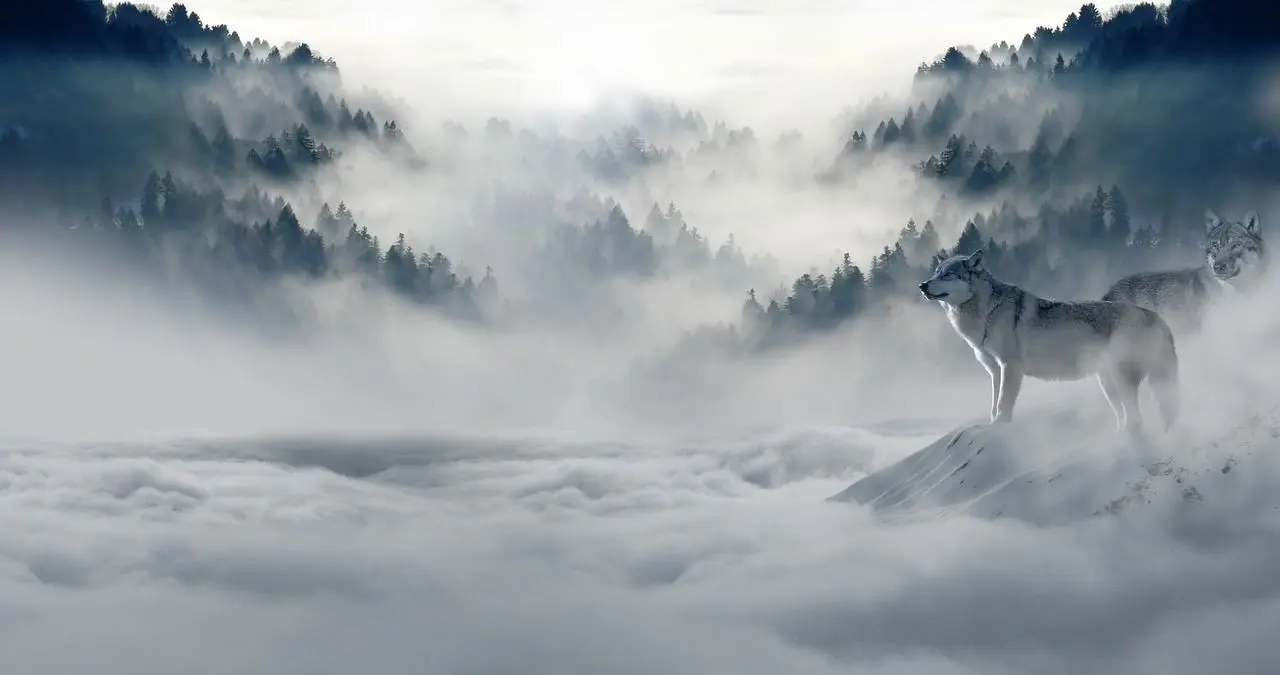
On April 7, 2025, Colossal Biosciences Inc, a private biotechnology company established in Texas in 2021, announced that it had re-created the dire wolf (Aenocyon dirus). The company calls the process de-extinction, as the IUCN SSC Canid Specialist Group’s commentary records.
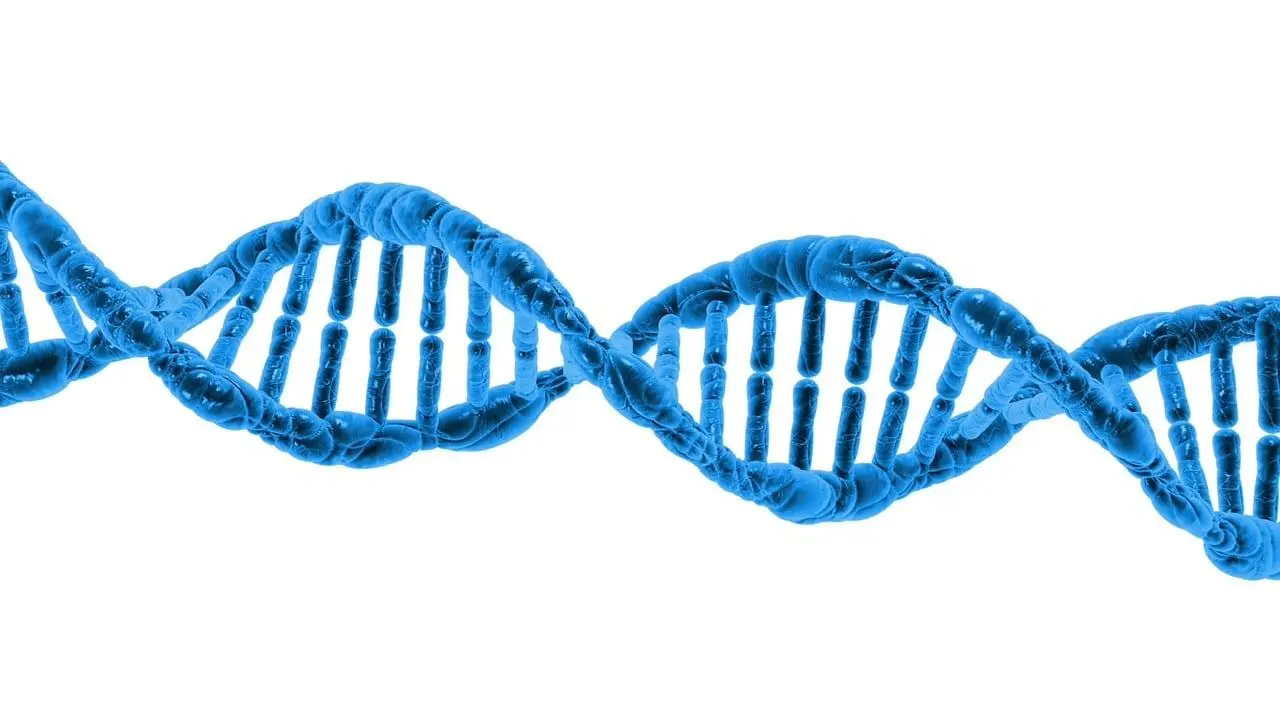
The animals were three grey wolf pups with edited genomes. The same commentary credits the team with a real technical step: isolating endothelial progenitor cells from a grey wolf (Canis lupus) and then gene editing them.
That is the heart of the question. The work shows that living cells can be edited to carry chosen traits, but whether that amounts to bringing a species back is a separate matter.
Why experts say the pups are not dire wolves
The Canid Specialist Group describes itself as the world’s chief body of expertise on living canid species. In its April 2025 commentary, it points to a large genetic gap: the dire wolf and the grey wolf differ by thousands of genes, while the editing touched only a handful.
The group’s verdict is blunt: the three animals are not dire wolves. It also says they are not proxies of the dire wolf under IUCN SSC guiding principles, and it gives two reasons:
- There is no evidence that the edited animals look or behave differently from grey wolves in ways that match the dire wolf.
- Knowledge of the dire wolf’s behaviour, appearance and ecology is limited by its extinction.
So, for now, the honest answer is that a gene-edited proxy is possible in a narrow sense, and a returned species is not.
What would a revived species come back to?
The dire wolf went extinct in the Americas some 12,000 years ago, and its ecological setting, including prey such as mammoths and giant ground sloths, is gone, according to the Canid Specialist Group. Today the grey wolf, adapted to present-day ecosystems, fills that niche with a much-altered range of prey.
The group argues that a look-alike with no niche will not restore ecosystem function. It adds that making phenotypic proxies does not change the dire wolf’s conservation status and may even threaten the status of living species, such as the grey wolf in the USA.
Where conservation effort is still needed
The commentary stresses that the core priority is protecting remaining populations in working ecosystems. It lists the main global threats to species survival, including many wild canids:
- Habitat loss and degradation
- Human-wildlife conflict
- Invasive species
- Disease
- Disruption of natural processes
The group notes that most conservation is limited by funding and access to technology. It says partnerships with companies that contribute resources openly can be valuable, even when commercial interests drive them.
If you want to see how ecosystem recovery works without engineering new animals, read our explainer on what is rewilding. For the legal side of protecting species that are still alive, see our guide to the endangered species act.
What gene editing could still offer
None of this makes the technology useless. The Canid Specialist Group says gene editing may help species survive by removing harmful mutations or by raising genetic diversity in small, inbred populations. It may even revive ancestral variation that living populations have lost.
The same statement calls it a possible addition to the conservation toolbox, not a panacea for the biodiversity crisis. It warns that selling it as a ready-to-use fix is premature and risks pulling attention from healthy ecosystems.
Its closing concern is about message: suggesting extinction can be reversed may weaken the urgency of conserving species that still exist.
How partnerships and guidelines shape the work
Colossal’s work is linked to the conservation group Re:wild through the Colossal Foundation. On its guiding principles page, Re:wild says the partnership will follow the IUCN SSC guidelines on creating proxies of extinct species for conservation benefit, along with its reintroduction guidance.
The page also commits to Free, Prior and Informed Consent when working with Indigenous peoples and local communities. Re:wild describes its own reach as more than 500 partners in more than 80 countries, working to conserve more than 460 million acres and benefitting 33,000+ species.
These are the organizations’ own statements of intent. They describe commitments, not results, and this site has no affiliation with either group.
Frequently asked questions
Is de-extinction possible with today’s science?
Show answer
Only in a limited sense. Scientists can edit living cells so an animal carries a few traits of an extinct relative, but IUCN canid specialists say the result is a modified grey wolf and not the lost species.
Did the pups prove that de-extinction works?
Show answer
The Canid Specialist Group says creating three edited grey wolf pups may demonstrate technical capability, but it does not contribute to conservation.
Who is the IUCN SSC Canid Specialist Group?
Show answer
It describes itself as the world’s chief body of scientific and practical expertise on the status and conservation of all living canid species.
Does this site take a side?
Show answer
No. It is an independent educational site with no ties to any conservation group, agency, zoo or de-extinction company, and it carries no paid placements or affiliate links.