Wondering which endangered animals in Africa are most at risk? Elephants and rhinos top the list: both elephant species are threatened, and black rhinos were Critically Endangered in IUCN’s March 2020 update, though conservation is helping.
This page is part of our wider guide to endangered animals, focused on the African continent.
| Item | Value |
|---|---|
| African forest elephant status | Critically Endangered (IUCN Red List, March 2021) |
| African savanna elephant status | Endangered (IUCN Red List, March 2021) |
| Forest elephant decline | More than 86% over 31 years |
| Savanna elephant decline | At least 60% over 50 years |
| Black rhino population, 2018 | Estimated 5,630 animals (4,845 in 2012) |
| Southern white rhino change, 2012 to 2017 | Down 15%, from an estimated 21,300 to 18,000 animals |
The figures come from IUCN’s March 2021 elephant assessment and its March 2020 rhino update. Red List figures can change, so check the source before you rely on them.
African elephants: two species, both threatened
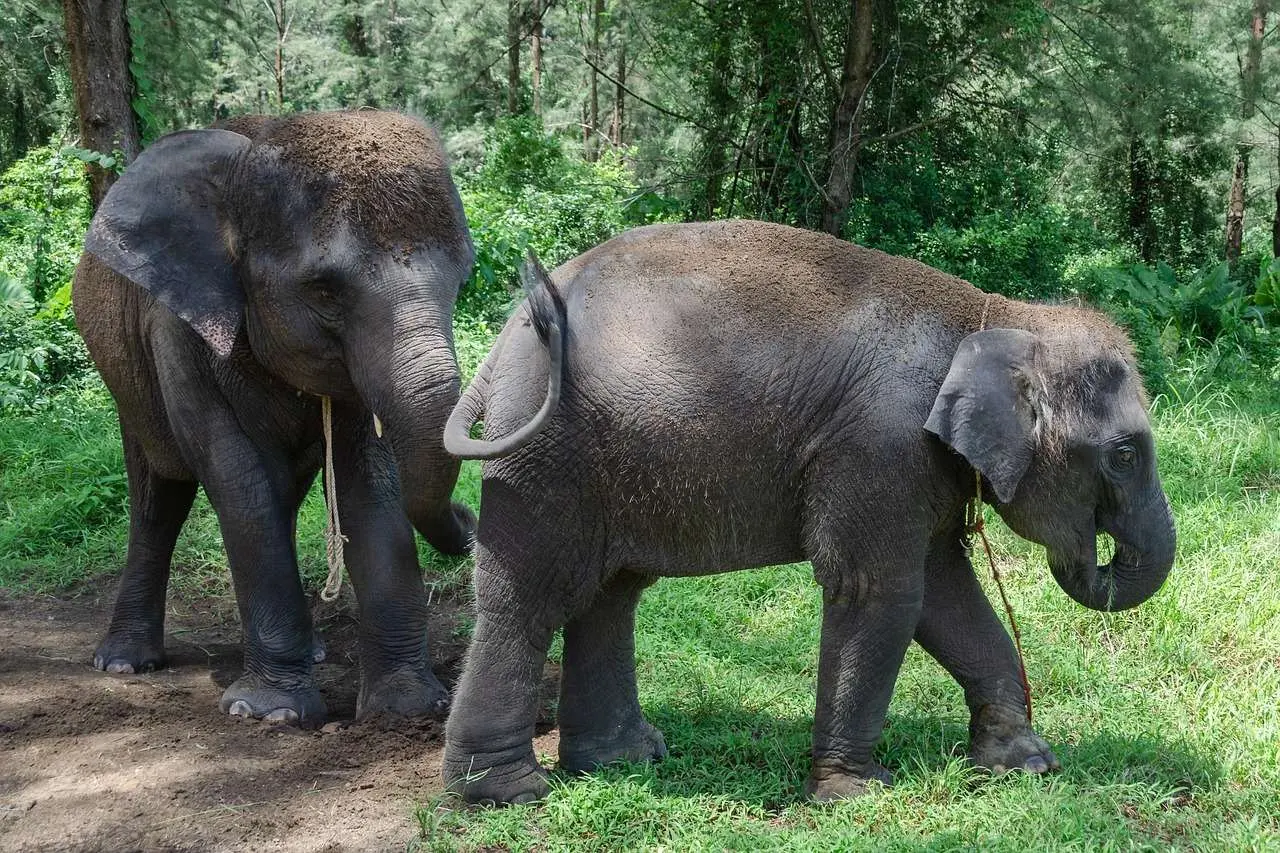
For years, African elephants were treated as a single species, listed as Vulnerable. In its March 2021 update, IUCN assessed the forest and savanna elephants separately for the first time, after new genetic evidence emerged (IUCN press release).
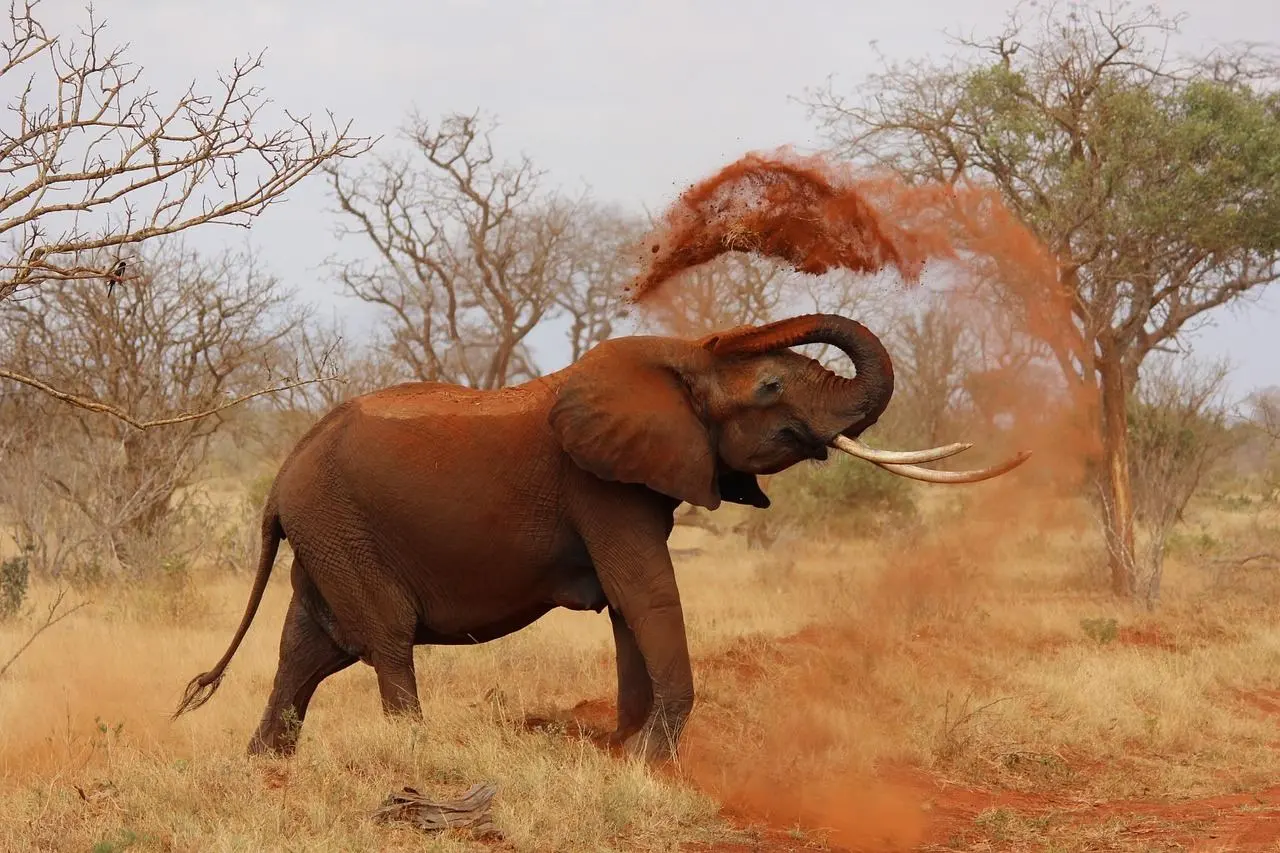
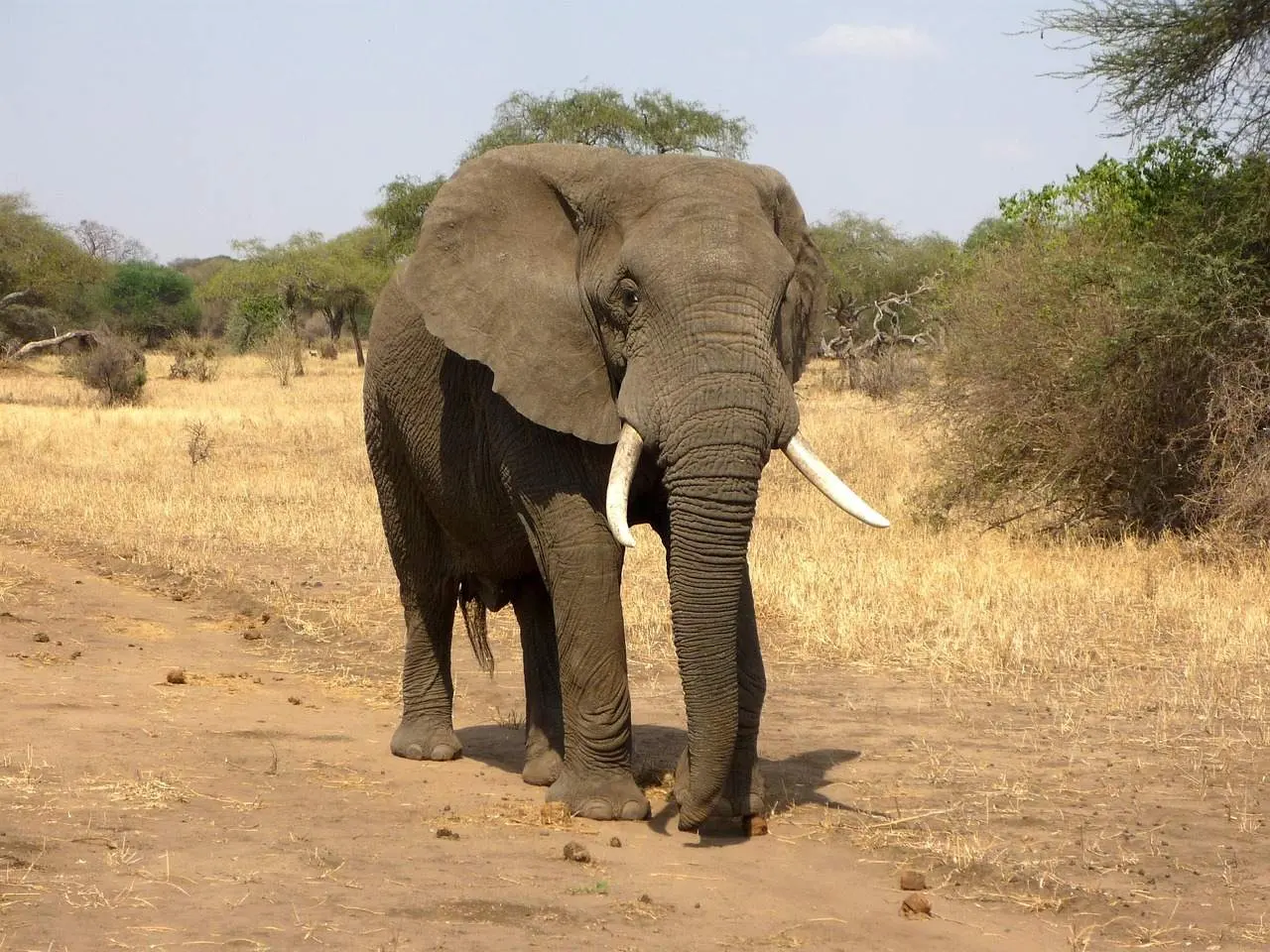
As of that March 2021 update, the African forest elephant (Loxodonta cyclotis) is listed as Critically Endangered. The African savanna elephant (Loxodonta africana) is listed as Endangered. Both listings follow decades of poaching for ivory and loss of habitat, according to the same release.
The declines are steep. IUCN’s assessors found that forest elephant numbers fell by more than 86% over 31 years, while savanna elephant numbers decreased by at least 60% over 50 years (IUCN).
African rhinos: slow recovery, fragile gains
Black rhinos (Diceros bicornis) were still Critically Endangered in IUCN’s March 2020 update, though the population was slowly increasing as conservation efforts countered poaching (IUCN).
Between 2012 and 2018, the black rhino population across Africa grew at a modest annual rate of 2.5%, from an estimated 4,845 to 5,630 animals. IUCN said the increase came mainly from continuing law enforcement and population management, including moving selected rhinos to new locations (IUCN).
The black rhino’s subspecies have had very different fates.
- South-western black rhino (D. b. bicornis): previously Vulnerable, newly categorised as Near Threatened in IUCN’s March 2020 update (IUCN).
- South-eastern (D. b. minor) and Eastern (D. b. michaeli): both stayed Critically Endangered after heavy declines between the 1970s and mid-1990s (IUCN).
- Western black rhino: declared extinct in IUCN’s 2011 Red List update, having lived in west-central Africa (Yale E360).
Africa’s other rhino species, the white rhino (Ceratotherium simum), was categorised as Near Threatened in that March 2020 update. Southern white rhino numbers fell 15% between 2012 and 2017, from an estimated 21,300 to 18,000 animals, largely because of poaching in South Africa’s Kruger National Park. The northern white rhino was listed as Critically Endangered (Possibly Extinct in the Wild) (IUCN).
What is driving the declines?
Elephants and rhinos face different pressures. For elephants, poaching rose sharply from 2008, peaked in 2011 and still threatened populations in IUCN’s March 2021 assessments, and the conversion of habitat, mainly to agriculture and other land uses, was another significant threat (IUCN).
For rhinos, the illegal international rhino horn trade was named the main threat to both African species in IUCN’s March 2020 update (IUCN).
Recorded poaching peaked in 2015, when at least 1,349 rhinos were poached, an average of 3.7 rhinos per day. By 2018 the minimum was 892 rhinos, about 2.4 African rhinos poached every day (IUCN).
Where conservation is working
The elephant assessments also record successes. Anti-poaching work on the ground, more supportive legislation and land use planning that fosters human-wildlife coexistence have been key, according to IUCN’s March 2021 release (IUCN).
- Forest elephants have stabilised in some well-managed conservation areas in Gabon and the Republic of the Congo.
- Savanna elephant numbers have been stable or growing for decades in the Kavango-Zambezi Transfrontier Conservation Area, home to the continent’s largest subpopulation of the species.
Rhino recovery rests on a similar mix. Recorded poaching has been declining at a continental level, and IUCN credited counter-measures by range states, private landowners and communities (IUCN).
How to read these numbers
Red List categories change when assessments are updated, so each status above is tied to the date of its source. For scale, the Red List included 134,425 species in March 2021, of which 37,480 were threatened with extinction (IUCN).
Continental labels can also hide local variation. Dr Dave Balfour, an assessor of the African elephants, noted that at a site level some subpopulations are thriving, and said considerable caution and local knowledge are needed when turning results into policy (IUCN).
For animals that live in the ocean rather than on land, see our guide to endangered marine animals. Primates face their own threats, which our page on endangered primates sets out.
Frequently asked questions
How many African elephants are left?
Show answer
IUCN’s 2016 African Elephant Status Report gave the most recent reliable continental estimate it cited in March 2021: around 415,000 elephants, with both species combined. Treat it as a dated snapshot, not a live count (IUCN).
Where do forest elephants live?
Show answer
They occur in the tropical forests of Central Africa and in a range of habitats in West Africa. As of IUCN’s March 2021 release, they are thought to hold only a quarter of their historic range, with the largest remaining populations in Gabon and the Republic of the Congo (IUCN).
Has rhino poaching stopped?
Show answer
No. IUCN’s March 2020 update said poaching and illegal trade remained acute threats, even though preliminary data for 2019 suggested poaching had fallen further (IUCN).
Why are white rhinos more vulnerable to poaching?
Show answer
Their larger horns make them a bigger target. They also favour open habitats, so poachers find them more easily than black rhinos, according to IUCN (IUCN).